
In today’s competitive digital landscape, your website isn’t merely an online presence—it’s the core of your brand identity, where your values and mission come to life. In fact, unlike social media or other forms of digital communication, it’s the one place where you can fully own and control the brand narrative and drive visitors to direct action without relying on whimsical algorithms. Once people are on your website, you have their full attention (even if for a short while). We know that customers gravitate towards brands that reflect their own values so the key is to communicate those as well as possible in the limited time and space that you have..
1. Define your brand values clearly
Creating a website that authentically reflects your brand values starts with clearly defining those values. These core beliefs drive everything from your marketing strategy to customer interactions and ultimately guide the design and messaging on your site.
Key questions to consider:
Once you’ve clarified these, let them shape every element of your site, from layout and colour schemes to written content. If sustainability is a key value, for instance, find ways to feature eco-friendly practices within the design and messaging.
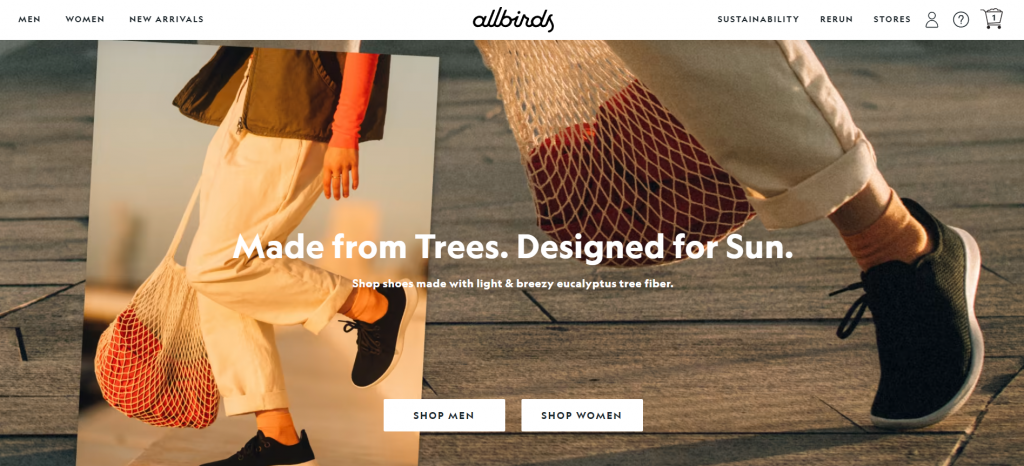
Take Allbirds as an example. Known for its commitment to sustainability, Allbirds uses renewable materials to create eco-friendly footwear. Their website communicates these brand values through a clean, minimalist design that emphasises natural colours, and has a section titled ‘Sustainability’ front and centre which includes details of their carbon footprint and carbon offprints, their sustainability goals and more. This brand-aligned approach connects with their eco-conscious audience on a values level.
Your website’s design makes the first impression and is key in visually conveying your brand’s personality. For a cohesive look that resonates, ensure each design choice—from colours to fonts—is intentional and reflects the identity you aim to portray.
Key design tips:
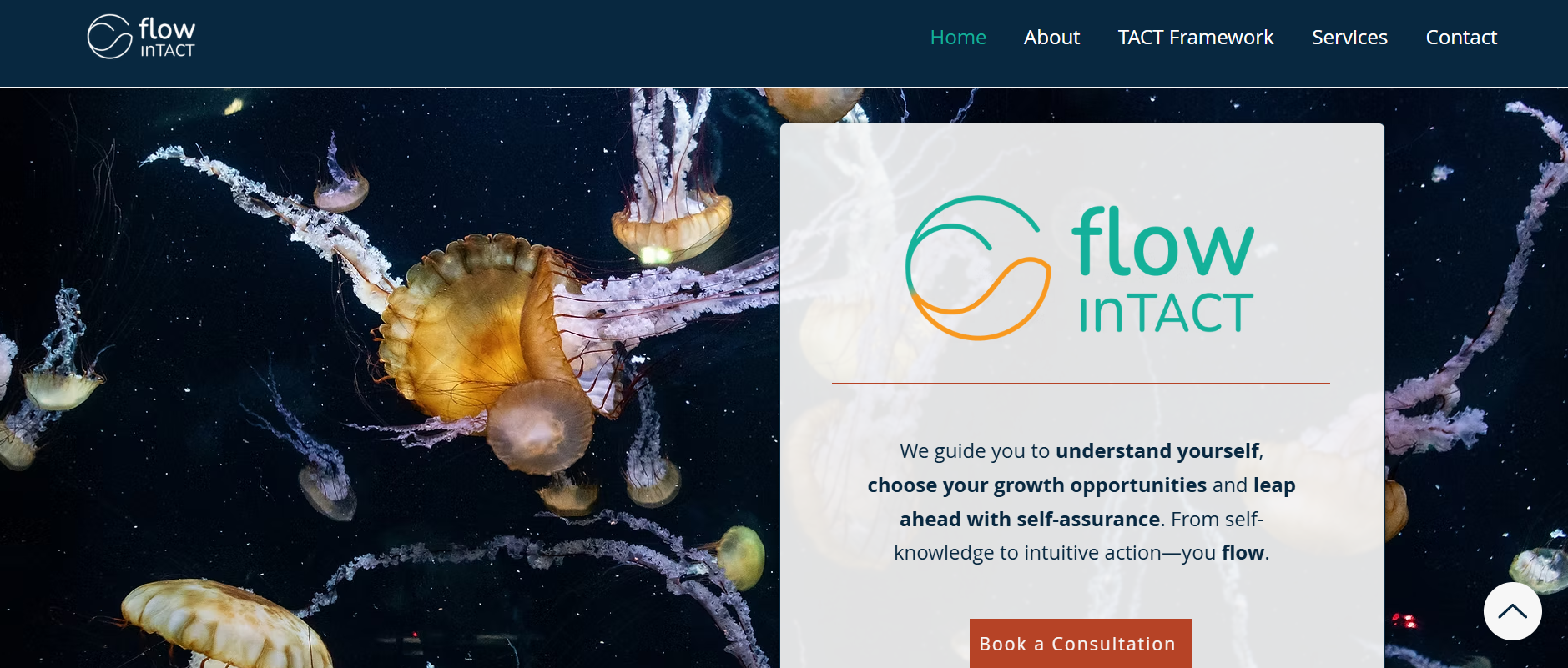
For example, at Comms Ninja we worked with startup brand FlowinTACT to create a visual identity that emphasised their unique approach to higher education in India. The themes of continuous motion, adaptability, aspiration expressed in the logo and brand identity are carried forward in the design of the website with simplicity of message and structure and a similar colour palette.
It may seem easier said than done but building brand awareness and values is all about consistency in everything you put out; saying the same thing in the same way day after day will gradually build recall and familiarity:
Well-designed websites that reflect brand identity can significantly improve conversion rates, whether you are an ecommerce site or even a B2B business.
Today’s consumers are increasingly looking to support and align with brands that contribute positively to society or the environment. This is true irrespective of whether you are a for-profit or a non-profit; your audience wants to understand how you contribute in a clear and transparent manner. Educate Girls, a non-profit organisation that works in India’s poorest states to bring girls back into school, showcases this in big, bold, black-and-red numbers everywhere on their website. The numbers are impressive and help to demonstrate their impact and credibility, especially when if are considering donating to their cause. While designing the website, it’s important to have dedicated sections that talk about the impact and metrics.
It also helps to showcase social proof, such as testimonials, reviews, and user-generated content, as these can influence how potential customers perceive your brand. It’s an especially useful way for startups to establish trust and authenticity as we know that in today’s hyper-informative world, most consumers look at reviews before making a purchase.